

Skip to content
Menu
Explore prompts
Search LifestyleGlide

FIND YOUR NEXT STEP

What can we help you find?

Try meeting notes, video scripts or email writing.

Meeting notes Video scripts Email writing
Browse guides, prompts and creator resources.Esc to close · Ctrl / ⌘ K to open

THE CREATOR STUDIO / PRACTICAL GUIDE

Storytelling And Creative Writing Prompts

Original prompts for storytelling and creative writing, with the required inputs and links to related task guides.

By LifestyleGlide · Published · No signup needed

MrBeast, photographed in 2023
MrBeastEntertainment
Marques Brownlee speaking at Collision 2023
Marques BrownleeTech & storytelling
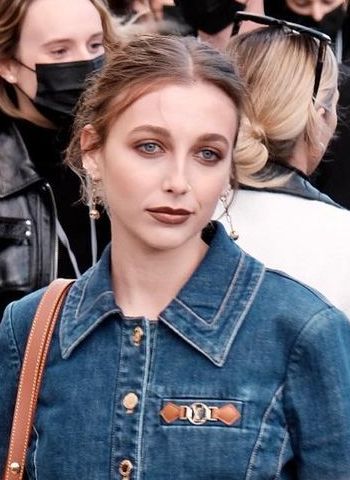
Emma Chamberlain at Paris Fashion Week in 2021
Emma ChamberlainEveryday stories
YOUR NEXT
CHAPTER ↗

Different voices. Your own beginning.

Editorial references. No affiliation or endorsement.
Photo credits

Use these storytelling and creative writing prompts when you have a specific task and source material to work from. Start with the deliverable you need: for example, story premise development or character profile. Each prompt includes the inputs to gather and instructions you can adapt.

Choose, prepare, then check

  1. Open the prompt that matches your task. Read the full instructions before choosing it.
  2. Replace the bracketed inputs with your own approved material. Keep private details out of tools unless your rules and the tool's settings permit them.
  3. Check names, numbers, source claims and commitments against the original material. A polished result still needs your review.
  4. Ask a precise follow-up about the part that needs work, while keeping confirmed facts unchanged.

For a fuller workflow, creative voice is available in the connected guides. You can also return to creators to choose another task.

PROFESSIONAL PROMPT HANDBOOK

Choose a task template.

Choose a task, replace the bracketed inputs and copy the complete instructions. Use the connected guide when you need the full workflow. Review facts, calculations and commitments before using an answer.

10 prompts. Search and pagination need JavaScript; all prompts are readable below without it.

211 / Storytelling and creative writingStory premise developmentOpen prompt +
INPUTS
[genre]; [theme]; [setting]; [audience]; [creative constraints]

PROMPT
Develop five original story premises within the brief. For each, define a protagonist, desire, obstacle, stakes, and a difficult choice that expresses the theme. Make the premises meaningfully different rather than changing only the setting. Compare their dramatic potential and likely challenges. Expand the strongest into a one-page synopsis with a beginning, escalating conflict, turning point, and ending. Avoid relying on recognizable plots from existing works. End with questions that would deepen the chosen premise before outlining scenes.

212 / Storytelling and creative writingCharacter profileOpen prompt +
INPUTS
[character role]; [story premise]; [setting]; [theme]; [known traits]

PROMPT
Create a character profile that supports the story's conflict. Define the character's desire, fear, contradiction, values, capabilities, blind spot, and relationship to the central problem. Connect backstory to present behavior without overexplaining every trait. Include distinctive habits, voice, and choices under pressure. Provide a brief scene that reveals character through action rather than description. End with an arc outline and three decisions that would test whether the character changes, resists change, or discovers a mistaken belief.

213 / Storytelling and creative writingPlot outlineOpen prompt +
INPUTS
[premise]; [characters]; [genre]; [length]; [ending preference]

PROMPT
Build a plot outline with a clear causal progression. Organize the story into major movements and scenes where character choices change the situation. Track stakes, reversals, information revealed, and emotional consequences. Avoid adding obstacles unrelated to the central conflict. Provide a scene table with purpose, viewpoint, action, and outcome. Explain how the ending resolves or transforms the main question. End with potential weak links in motivation or causality and revisions that would make the story more coherent.

214 / Storytelling and creative writingScene draftOpen prompt +
INPUTS
[scene purpose]; [characters]; [setting]; [viewpoint]; [conflict]; [length]

PROMPT
Write a scene that accomplishes the specified purpose through action, dialogue, and selective sensory detail. Maintain the viewpoint and give each character an immediate objective. Let conflict develop through choices and subtext rather than explanatory monologues. Use details that reflect the viewpoint character's attention. End with a meaningful shift in the situation or relationship. After the draft, briefly explain the scene's turning point and identify any information needed from surrounding chapters to preserve continuity.

215 / Storytelling and creative writingDialogue revisionOpen prompt +
INPUTS
[dialogue scene]; [characters]; [relationship]; [scene goal]; [voice notes]

PROMPT
Revise the dialogue so each speaker has a distinct voice and objective. Remove repetitive exposition and make tensions visible through implication, interruption, avoidance, or precise wording where appropriate. Preserve plot facts and character relationships. Add only minimal action beats that clarify behavior or pacing. Return the revised scene and explain the most important changes. End with a check that each exchange advances conflict, reveals character, or changes understanding, and flag lines that depend on missing story context.

216 / Storytelling and creative writingWorldbuilding briefOpen prompt +
INPUTS
[genre]; [setting concept]; [story conflict]; [technology or magic rules]; [scope]

PROMPT
Develop the parts of the world that materially affect the story. Define environment, institutions, resources, social expectations, and relevant technology or magic with coherent limits and consequences. Explain how these conditions shape daily life and the protagonist's choices. Avoid exhaustive lore that never influences the narrative. Provide a worldbuilding brief, a consistency checklist, and three scene opportunities. End with unresolved rules that could create contradictions and a method for revealing world information naturally through action.

217 / Storytelling and creative writingShort storyOpen prompt +
INPUTS
[theme]; [genre]; [protagonist]; [setting]; [word count]; [tone]

PROMPT
Write an original short story with a focused conflict and a satisfying consequence. Establish the protagonist's situation quickly, introduce a pressure that demands action, and develop the theme through choices rather than stating a moral. Use precise sensory detail and a consistent viewpoint. Keep the plot appropriate to the word count. After the story, provide a short note on the central dramatic question and ending. Avoid recognizable imitation of a specific author's voice or reliance on a twist unsupported by earlier details.

218 / Storytelling and creative writingManuscript critiqueOpen prompt +
INPUTS
[excerpt]; [genre]; [intended audience]; [author concerns]; [review scope]

PROMPT
Critique the excerpt as a constructive editor. Assess character motivation, viewpoint, tension, pacing, clarity, dialogue, and prose within the requested scope. Cite short passages to make feedback specific. Distinguish issues likely to affect readers from personal stylistic preferences. Prioritize three revisions and show one small example without rewriting the whole piece. Identify what is working and should be preserved. End with questions about surrounding context and a revision checklist tied to the author's stated goals.

219 / Storytelling and creative writingInteractive story gameOpen prompt +
INPUTS
[setting]; [player role]; [tone]; [rules]; [boundaries]

PROMPT
Run an original interactive story where my choices meaningfully affect events. Establish the situation, my role, immediate goal, and relevant limits. Describe a concise scene, offer several plausible actions, and allow a free-form choice. Wait for my response before continuing. Track important objects, relationships, consequences, and unresolved goals. Keep the world's rules consistent and avoid forcing every choice toward the same outcome. After major scenes, provide a brief state recap. Do not make decisions for my character without permission.

220 / Storytelling and creative writingStory revision planOpen prompt +
INPUTS
[draft or synopsis]; [feedback]; [goals]; [deadline]; [revision scope]

PROMPT
Create a revision plan that addresses structural issues before polishing sentences. Group feedback into plot, character, pacing, viewpoint, and prose where relevant. Identify dependencies so changes happen in a sensible order. Recommend specific revisions and explain the intended effect, preserving the story's core strengths. Provide a prioritized task list and checkpoints for evaluating progress. End with a continuity checklist and criteria for deciding when further revision would improve the work versus merely replace one acceptable choice with another.

Browse all prompt topics

How to use this collection

Copy the inputs and instructions together. Supply the documents or examples a task requires. Most prompts are for text assistants; image and video tasks require a compatible generation tool. Check facts, calculations, source links and commitments before using the output. This handbook is an original collection informed by public sources, reviewed 5 October 2026; it has not been benchmarked across models.

THE LSG NOTE

A good idea
changes your day.

Useful prompts and practical tips, straight to your inbox.

No spam. Just the good stuff.

Email me practical AI updates. Unsubscribe anytime. Privacy

Mila, LifestyleGlide’s blue-and-white gliding mascot, waving hello