
LSG Website Review
A useful Grammarly website analysis asks what a visitor must believe before they move on. Does the product understand my problem? Can I trust it? How much work will getting started take? To apply these ideas, try our clearer writing prompts or our AI tool comparison guide.
This Grammarly website analysis looks at Grammarly website messaging and the Grammarly signup flow. Our read is that Grammarly offers help with writing while still giving the visitor a sense of ownership over the result.
How we reviewed it: We checked public page text and links on 3 October 2026, including the homepage, audience pages, signup form, Trust Center and getting-started docs. We followed the homepage’s free-signup link but did not make an account, test logged-in onboarding or measure conversions. Website Review is our term for a close read of website choices, not a clinical view or a claim about every visitor’s mind. Live versions and device-based views may differ.
The headline makes delegation feel like a fit for ambition
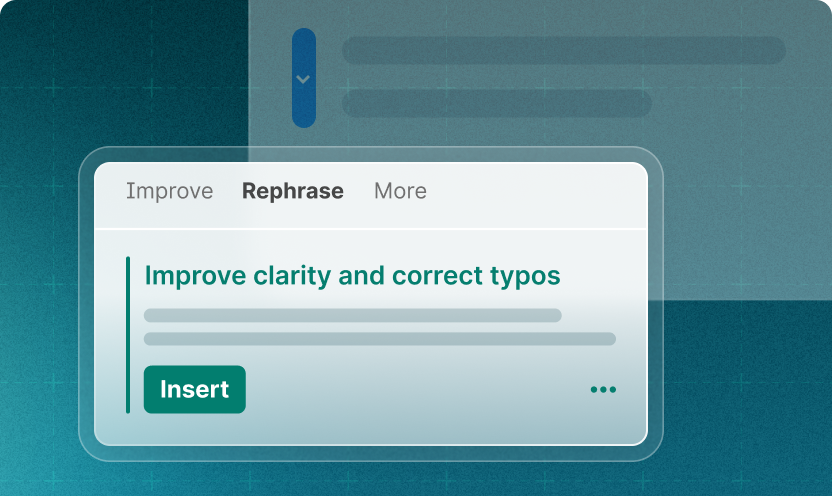
Grammarly’s homepage opens with a promise: think big, and the product will take care of the details. The copy links that promise to AI-assisted writing, with free signup and a Google signup option nearby. Source: Grammarly homepage
Our read is that this gives the visitor a flattering role: you bring the ideas; the product helps with execution. Help becomes a match for being capable and ambitious.
That matters for any business selling help. A visitor may want the work done without wanting to feel weak for asking for help. Copy can name the effort without turning it into a flaw.
The question to borrow is simple: does your opening name the work your product can take off the customer’s plate?
Audience-specific messaging: Grammarly for students and professionals
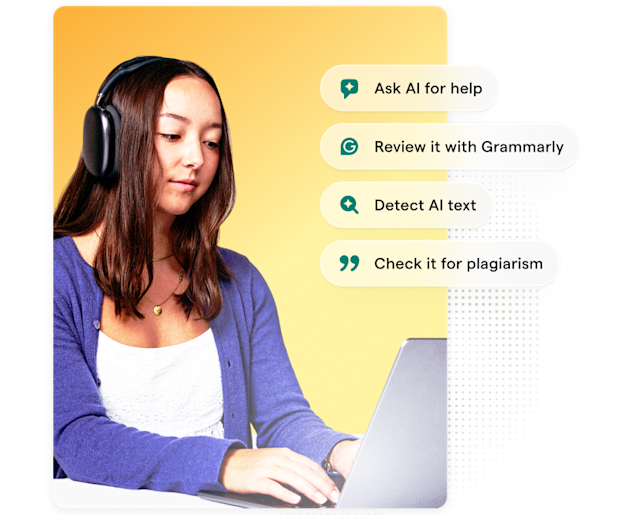
Grammarly’s student page focuses on assignments, originality and citations. Its professional page focuses on workplace writing and help across existing tools. These are different contexts for one writing product. Sources: Students and Professionals
A student who worries about original work needs a different explanation from a professional trying to finish a client proposal. Our read is that audience-specific pages make the benefit easier to link to a real case.
This is why an audience picker can help. Seeing yourself in a group can be a good first step when the path has useful examples and resources.
The real test is what happens after selection. Does the page change the problem, the examples and the next action? Or does it just repeat the same generic copy under a new label?
For a small business, start with the audience differences that greatly change the help you provide. A group earns its place when it improves the visitor’s next choice.
The professional promise lowers the cost of another tool
On its professional page, Grammarly shows both help inside existing apps and a doc editor with AI help. It also describes help with email replies. Source: Grammarly for Professionals
Our read is that this addresses a common buying worry: getting help should not mean one more hard routine. Someone already moving between messages and docs may value help that fits the work they already do.
There is another question to test. When a product offers several places to start, can a new visitor tell which one fits the task they have now?
For your own product, name one good starting point when the context is clear. A visitor looking for email help should be able to spot the email path without learning your whole product line.
Trust messaging answers the worry created by the product
A writing assistant may see sensitive drafts, so data handling matters when people decide whether to use it. Grammarly’s Trust Center says it makes money from paid products, not by selling user content. It describes how data is used and lets you choose not to use your data for product improvement and training. These are Grammarly’s own public claims, not results from an independent security audit. Source: Grammarly Trust Center
Our read is that good reassurance answers the exact concern the offer creates. Broad claims about trust leave readers to guess what they mean.
For a service that takes customer information, explain what you need, why you need it and what happens next. Make the full explanation easy to find before submission.
Trust is also about choice. A reassuring line helps more when the customer can find the right settings or policy behind it.
The Grammarly signup flow turns interest into a real step
Following the homepage’s free-signup link led to Grammarly’s public signup page. The form had email, password and name fields, password help, an existing-account link, a marketing-preference field and links to the terms and privacy policy. The email label refers to work or school email; that wording alone does not show which email domains the service accepts. Source: Grammarly signup
This changes the visitor’s task from judging an offer to giving account details. Our read is that the key question now is whether the work and data asked for feel fair for the benefit promised.
There are specific things we would test: whether people understand the email label, whether password rules are clear before errors appear, and whether communication choices are understood. These are research questions, not observed flaws.
We did not submit the form, check its validation behavior or verify the default state of the marketing choice.
Signup is a step before the first useful result
Grammarly’s getting-started docs say account holders can use the browser editor without installing another app. They also describe desktop options, writing suggestions and optional upgrades from the free plan. This gives the documented paths into the product; it does not show which onboarding screens every new account will see. Source: Get started with Grammarly
For a SaaS signup journey, our success measure should go past account creation. Define the first useful result that makes the original promise real.
For a writing product, that could be improving a real paragraph. For a planning service, it could be getting a schedule the customer can use. The right step depends on the offer.
If you measure this on your own site, compare how many visitors reach that result and where they drop off before it. A signup total alone cannot show whether the product delivered the value it promised.
Three tests we would run on a similar website
These are proposed tests for a business with similar goals. They are not claims about tests Grammarly has run.
- Check promise understanding. Show the opening to people who do not know the business, then ask what help they expect and what they think comes next. Their answers can show a mismatch that polished copy hides.
- Check audience fit. Give people a real situation and ask them to choose a path. See whether the destination gives the examples and next action they expected. Keep a general path for people who do not fit a group.
- Check the first-result path. Follow a visitor from entry page to the first useful output. Note confusing choices and extra info requests. Judge any change by useful results completed, plus signup completion and support questions.
The LSG verdict
Our central takeaway is a design rule: make the help easy to spot, make the commitment clear and make the result worth reaching.
For your next page review, write down the job your business takes on and the first useful result a customer gets. Then check whether the page and the steps after it make both clear.
A clever promise creates an expectation. The journey has to meet it.
Research note: This article looks at public messaging and documented paths. It does not rate Grammarly’s writing quality, repeat a completed onboarding test or claim access to conversion data.
LSG Tea Break
Okay, marketing tea: our Grammarly website analysis comes down to a clear promise, audience-specific messaging and trust before the signup flow asks for commitment. But getting an account isn’t the whole plot. The lesson to borrow? Help people reach one useful writing result—because a shiny signup button can’t do all the heavy lifting, bestie.

Join the conversation
Share your experience, ask a question or suggest an improvement.